





Battery Compatibility: Best Batteries for Off-Grid Inverters
- Understanding off-grid power needs
- What inverter grid off implies for battery selection
- Key electrical parameters that determine compatibility
- Battery chemistries and their real-world trade-offs
- LiFePO4 (Lithium iron phosphate): high performance for off-grid
- Lead-acid family: flooded, AGM and gel — proven but constrained
- Other chemistries: NMC, AGM hybrids, and emerging options
- How to size and configure batteries for off-grid inverters
- Sizing method: energy-first approach
- Sizing example and table
- Series vs. parallel, and inverter voltage considerations
- Inverter-battery integration: compatibility, charging and protection
- Pure sine wave vs. modified sine wave inverters
- Charging algorithms and BMS interaction
- Surge and continuous current compatibility
- Installation, safety and long-term reliability
- Thermal management and placement
- Monitoring, maintenance and lifecycle planning
- Standards and certifications
- Commercial recommendation and supplier profile
- Why supplier credentials matter for off-grid systems
- Guangzhou Congsin Electronic Technology Co., Ltd. — profile and strengths
- Recommended product types for inverter grid off projects
- Frequently Asked Questions (FAQ)
- 1. What is the best overall battery chemistry for off-grid inverters?
- 2. Can I use a modified sine wave inverter with lithium batteries?
- 3. How do I size batteries to handle inverter startup surges?
- 4. Is it OK to mix battery chemistries (e.g., LiFePO4 with lead-acid)?
- 5. What maintenance do batteries need in an off-grid inverter system?
- 6. How important is matching inverter charger settings to battery manufacturer specs?
- Contact & Further Assistance
Summary: Selecting the right battery for an off-grid inverter (inverter grid off) is critical for system reliability, cost-effectiveness and safety. This article compares common chemistries, outlines sizing and configuration methods, explains inverter-battery integration (charging algorithms, startup/surge capability, BMS interaction) and provides practical recommendations for residential, RV and solar-based off-grid systems. Authoritative references and an equipment comparison table are included to validate recommendations.
Understanding off-grid power needs
What inverter grid off implies for battery selection
An inverter grid off scenario—whether a deliberate off-grid solar installation, an RV/vehicle system, or a backup-only setup—means the inverter may be the sole AC source during outages. Batteries must therefore supply the inverter with stable DC voltage, provide sufficient surge capacity for motors and compressors, and endure frequent cycling. Unlike grid-tied systems where the utility smooths power, off-grid systems demand higher usable capacity (usable kWh), robust cycle life and predictable discharge characteristics.
Key electrical parameters that determine compatibility
When choosing batteries for off-grid inverters, prioritize:
- Depth of discharge (DoD) and usable capacity — affects how much of the battery you can safely use.
- C-rate (charge/discharge rate) — affects whether the battery can supply inverter surge loads and accept charging current from solar or generators.
- Round-trip efficiency — higher efficiency reduces required battery capacity and generator runtime.
- Cycle life — influences lifecycle cost and replacement intervals.
- Temperature tolerance and management — battery performance and safety depend heavily on operating temperature.
Battery chemistries and their real-world trade-offs
LiFePO4 (Lithium iron phosphate): high performance for off-grid
LiFePO4 is the leading choice for modern off-grid inverter systems. Typical advantages: high usable DoD (80–100%), long cycle life (2,000–5,000+ cycles depending on depth of discharge and cell quality), high charge/discharge efficiency (95%+), and more compact energy density compared with lead-acid. LiFePO4 integrates well with inverters that have configurable charging profiles or accept an external battery management system (BMS).
Sources and further reading: Wikipedia: Lithium iron phosphate battery.
Lead-acid family: flooded, AGM and gel — proven but constrained
Traditional lead-acid batteries remain common due to low upfront cost. Flooded deep-cycle batteries tolerate overcharging and are repairable, while AGM and gel offer sealed maintenance-free options. Typical characteristics: DoD recommended 40–50% (flooded sometimes 50%), cycle life 300–900 cycles, efficiency 70–85%. They require larger bank capacity to match LiFePO4 usable energy and need temperature-sensitive charging and ventilation for flooded types.
Lead-acid should be chosen if capital cost is the primary constraint and users can accept larger physical size, weight, and replacement frequency. Reference: Wikipedia: Lead–acid battery.
Other chemistries: NMC, AGM hybrids, and emerging options
NMC (nickel manganese cobalt) offers higher energy density than LiFePO4 but typically reduced cycle life and greater thermal management needs, making it less common for stationary off-grid applications where long lifetime and safety are priorities. For specialized mobile applications with strict weight constraints, NMC or advanced lithium variants may be used but require careful inverter and BMS pairing.
How to size and configure batteries for off-grid inverters
Sizing method: energy-first approach
Start with the usable energy required (kWh/day) rather than nominal battery bank kWh. Steps:
- Estimate daily energy consumption (sum appliances, inverter losses).
- Decide autonomy days (days without charging) — commonly 1–3 days for solar-only; more if reliability is critical.
- Select acceptable DoD (e.g., 80% for LiFePO4, 50% for lead-acid) and efficiency factor (round-trip efficiency).
- Battery bank nominal capacity (kWh) = Required usable kWh / (DoD * round-trip efficiency).
Sizing example and table
Example: A small off-grid cabin uses 6 kWh/day, wants 2 days autonomy. Required usable energy = 12 kWh. For LiFePO4 with 90% efficiency and 80% DoD: bank = 12 / (0.8 * 0.9) = 16.67 kWh. For flooded lead-acid with 75% efficiency and 50% DoD: bank = 12 / (0.5 * 0.75) = 32 kWh.
| Parameter | LiFePO4 (typ.) | Lead-acid (flooded / AGM) |
|---|---|---|
| Usable DoD | 80–100% | 40–60% |
| Cycle life (typ.) | 2,000–5,000+ | 300–900 |
| Round-trip efficiency | ~95%+ | ~70–85% |
| Energy density (Wh/kg) | 90–160 | 30–50 |
| Typical cost per kWh (installed, indicative) | Higher upfront; lower LCOE over life | Lower upfront; higher replacement cost |
Data ranges compiled from manufacturer datasheets and comparative analyses such as LiFePO4 and lead-acid references.
Series vs. parallel, and inverter voltage considerations
Match battery nominal voltage to inverter DC input (12 V, 24 V, 48 V common). For off-grid inverters, 48 V systems are often preferred because they reduce charging current and conductor size for the same power level. When paralleling batteries, ensure identical capacity and age (same model/batch) and use matched BMS or balancing to prevent imbalance. Series connections increase system voltage — ensure cell/BMS voltage limits aren’t exceeded.
Inverter-battery integration: compatibility, charging and protection
Pure sine wave vs. modified sine wave inverters
Pure sine wave inverters produce clean AC and are compatible with sensitive electronics and variable loads. Modified sine wave inverters are cheaper but may cause inefficiency, overheating or malfunction in sensitive devices and some battery chargers. For inverter grid off systems where the inverter is the main AC source and battery charging is frequent, a pure sine inverter is recommended to avoid hidden losses and compatibility issues.
Reference: Inverter (electrical) — Wikipedia.
Charging algorithms and BMS interaction
Modern inverters with integrated chargers allow configuration of charging stages (bulk, absorption, float) and charge voltage. Lithium batteries (LiFePO4) require a different charge voltage and are best paired with an inverter/charger that supports lithium charging setpoints or controlled via an external BMS. Ensure the inverter’s charger current limit and voltage setpoints match the battery manufacturer recommendations; improper charging reduces cycle life or can cause damage.
Surge and continuous current compatibility
Confirm the battery can deliver inverter surge currents (motor starting). LiFePO4 typically handles higher C-rate bursts than lead-acid, but battery modules and BMS must be specified with adequate continuous and peak discharge rates. When designing an inverter grid off system for appliances with high startup currents, oversize inverter surge rating and verify battery C-rating.
Installation, safety and long-term reliability
Thermal management and placement
Temperature affects battery capacity and life. LiFePO4 performs well across a broad range but prefers 0–45°C for charging; charging below 0°C requires special management. Lead-acid batteries are sensitive to high temperatures which accelerate aging and require ventilation for flooded types to handle hydrogen off-gassing. Locate batteries in a temperature-stable, dry, and ventilated compartment near the inverter to minimize DC cabling losses.
Monitoring, maintenance and lifecycle planning
Use battery monitors (voltage, current, SOC estimation) and log data to detect early degradation. For lead-acid, regular electrolyte checks and equalization (where applicable) extend life. For LiFePO4, ensure firmware of the BMS and inverter are kept updated and verify cell balancing periodically. Plan replacement windows into total cost of ownership (TCO) calculations; life-cycle cost often favors lithium despite higher initial cost.
Standards and certifications
Select batteries and inverters with recognized safety and quality certifications. For example, manufacturers commonly list CE, EMC, LVD, ETL or FCC approvals. Design and quality systems often reference ISO 9001 for quality management; see ISO 9001.
Commercial recommendation and supplier profile
Why supplier credentials matter for off-grid systems
Off-grid systems require long-term reliability and after-sales support (warranty, technical assistance, firmware updates). Choose manufacturers with automated production, testing procedures, and certifications to reduce component variability and support predictable performance over years of operation.
Guangzhou Congsin Electronic Technology Co., Ltd. — profile and strengths
Guangzhou Congsin Electronic Technology Co., Ltd., founded in early 1998, is a professional power inverter manufacturer with over 27 years of focused experience. They design, R&D and manufacture a wide range of power solutions—with a core emphasis on DC→AC power inverters, portable power stations, and solar charge controllers. Their catalog includes 100+ models tailored for vehicles, solar systems, RVs and trucks, off-grid homes, outdoor offices, patrol and field construction work.
The company operates fully automated production lines, advanced instrumentation and multifunctional testing equipment to ensure product reliability, efficiency and intelligent functionality. Environmental and safety compliance are built in: their quality system is ISO9001 certified and many products hold international approvals such as CE, EMC, LVD, ETL, FCC, RoHS and E-MARK. Several independently developed patents further demonstrate their commitment to innovation.
Congsin’s products serve global markets across Europe, the Americas, the Middle East, Africa and Southeast Asia; many models are supplied to domestic and international OEM channels. Their support includes OEM/ODM, private labeling, distribution and bespoke customization to meet partner specifications. Their mission is to deliver reliable, efficient and affordable energy solutions that enable energy independence.
Recommended product types for inverter grid off projects
- Pure sine wave inverters (48 V systems for 3–10 kW off-grid homes) combined with LiFePO4 battery banks for highest lifetime value.
- Portable power stations for short duration or mobile inverter grid off uses—prefer models with integrated MPPT solar charge controllers for fast recharge.
- Hybrid solutions where existing lead-acid banks are upgraded gradually to LiFePO4 to spread capital cost—use inverters that can be reconfigured for different battery chemistries.
Frequently Asked Questions (FAQ)
1. What is the best overall battery chemistry for off-grid inverters?
For most off-grid inverter applications, LiFePO4 (lithium iron phosphate) is the best compromise of safety, cycle life, usable DoD, efficiency and lifecycle cost. It reduces bank size and maintenance compared with lead-acid and typically results in lower total cost of ownership despite higher initial cost.
2. Can I use a modified sine wave inverter with lithium batteries?
Technically yes, but it is not recommended. Modified sine wave inverters are less efficient and can create electrical noise that affects chargers and sensitive loads. If using lithium batteries, invest in a quality pure sine wave inverter and ensure the charger settings are compatible with the battery’s recommended charge profile.
3. How do I size batteries to handle inverter startup surges?
Check the inverter surge rating and compare with the motor or compressor start current. Ensure battery C-rate and BMS peak discharge specification cover this surge. If necessary, increase nominal battery capacity or choose modules with higher peak discharge capability, or add an inverter with a higher surge margin.
4. Is it OK to mix battery chemistries (e.g., LiFePO4 with lead-acid)?
No. Mixing battery chemistries on the same DC bus is not recommended. Differences in charge voltage, internal resistance and degradation rates create imbalance and can damage batteries or reduce system safety. If transitioning, replace the entire bank or segregate chemistries with separate charge systems and inverters.
5. What maintenance do batteries need in an off-grid inverter system?
LiFePO4 requires minimal routine maintenance but monitor BMS alerts and perform occasional balancing checks. Lead-acid (flooded) requires regular electrolyte level checks, cleaning, terminal maintenance and periodic equalization charging according to manufacturer recommendations.
6. How important is matching inverter charger settings to battery manufacturer specs?
Very important. Incorrect charge voltages or current limits reduce battery life and can void warranties. Use inverter/charger models that allow precise setpoints for lithium charging or consult the battery manufacturer for recommended profiles. Always configure the inverter to follow the battery BMS if BMS control is supplied.
Contact & Further Assistance
If you need help selecting batteries for an off-grid inverter, or want products that meet specific application requirements (RV, off-grid home, portable power, solar charge integration), contact Guangzhou Congsin Electronic Technology Co., Ltd. Their product line includes Solar Charge Controllers, modified sine wave inverters, pure sine wave inverters, and portable power stations. For consultation, OEM/ODM or product catalogs, please reach out to Congsin to discuss tailored solutions that meet regulatory approvals and project specifications.
Further references and standards: Inverter basics: Inverter (electrical). Battery chemistries: LiFePO4, Lead–acid. Quality systems: ISO 9001.
Note: System design should use manufacturer datasheets and site-specific calculations. Consult a certified installer for grid-off installations with complex loads or safety constraints.
For product selection, system design assistance or a quotation for inverters and battery systems optimized for inverter grid off applications, contact Guangzhou Congsin Electronic Technology Co., Ltd. today to review models, certifications and OEM/ODM options.
Sourcing Reliable Modified Sine Wave Inverter Manufacturers
Grid-Tied vs Off-Grid Inverters: Best Options for Homes
Pure Sine Wave vs Modified Inverter for Car Battery Use
Best Solar Inverter for Home: 2026 Buyer’s Guide
Modified Sine Wave Inverters
What power appliance can this inverter run?
It has a continuous power of 800W, so it can run appliances within 800W; the peak power is 1500W, supporting the instantaneous startup of appliances within 1500W.
Which country’s voltage standards does it support?
It defaults to AC 220V output, suitable for regions with 220V voltage standards such as China and Europe; it can also be customized to output AC 110V, suitable for regions with 110V voltage standards such as the United States and Japan.
Which region’s voltage standards does it support?
It defaults to AC 220V output, suitable for regions with 220V voltage standards such as China and Europe; it can also be customized to output AC 110V, suitable for regions with 110V voltage standards such as the United States and Japan.
How to install the battery terminal wire?
Connect the red terminal wire to the positive pole of the battery and the black terminal wire to the negative pole. Ensure the interface is firm and there is no short circuit when connecting.
OEM & ODM Services
What certifications do your products comply with?
All products meet CE, RoHS, FCC, and other market-specific compliance standards.
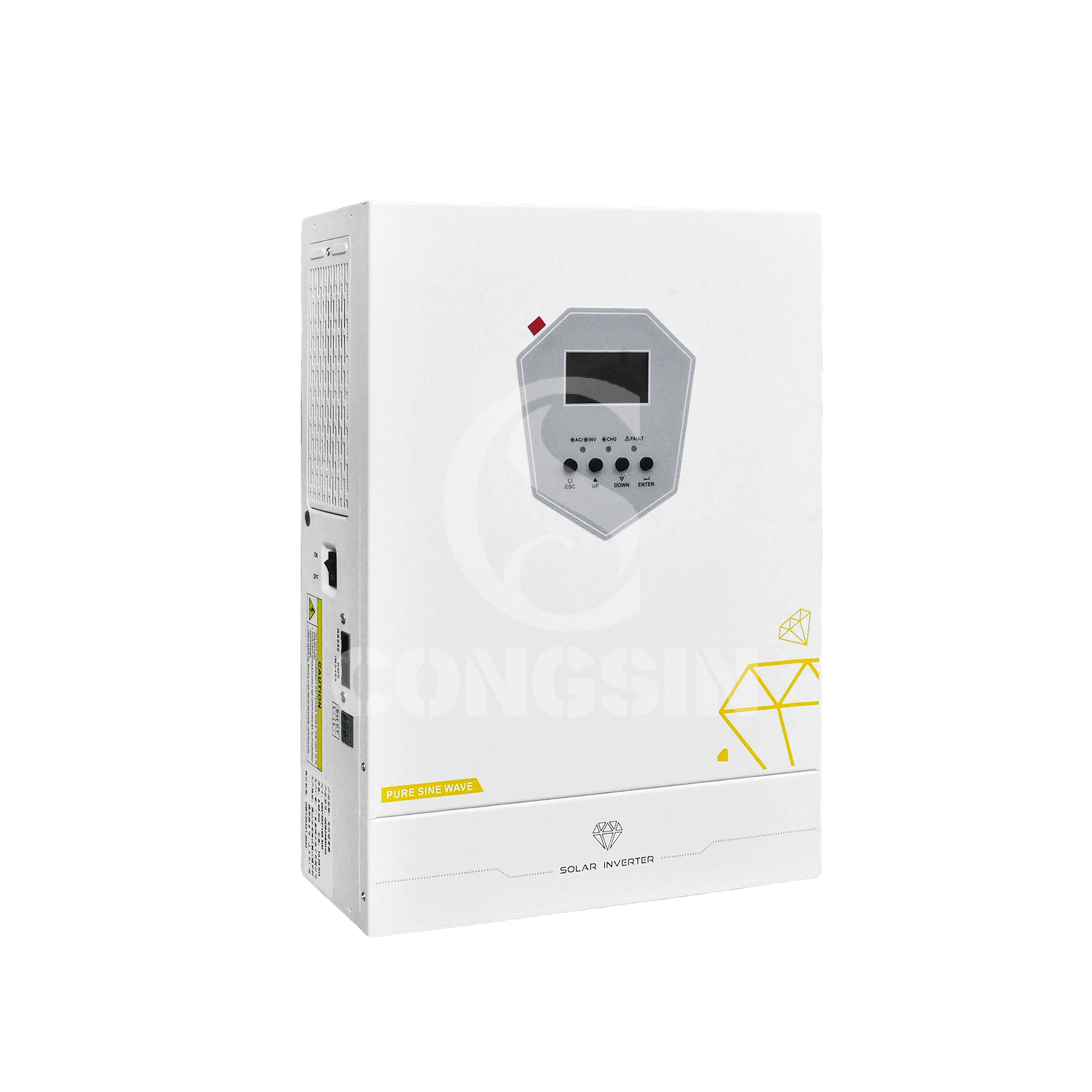
Factory Direct Sales 6000W Hybrid Solar Power Inverter with Controller and LCD Display
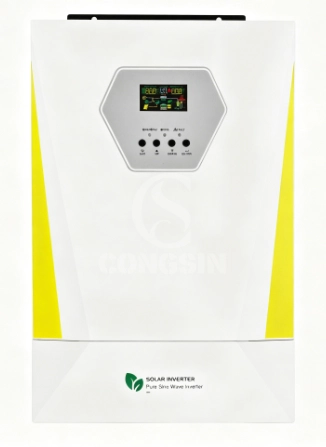
Congsin 4000W and 6000W Hybrid Inverter with Controller with LCD Display and CE Certification Solar
Power your solar system efficiently with the Congsin 4000W and 6000W Hybrid Inverter. Featuring an integrated MPPT Controller, this CE Certified inverter ensures optimal energy conversion. Monitor performance effortlessly via the intuitive LCD Display. Reliable, powerful, and ready for your sustainable energy needs.
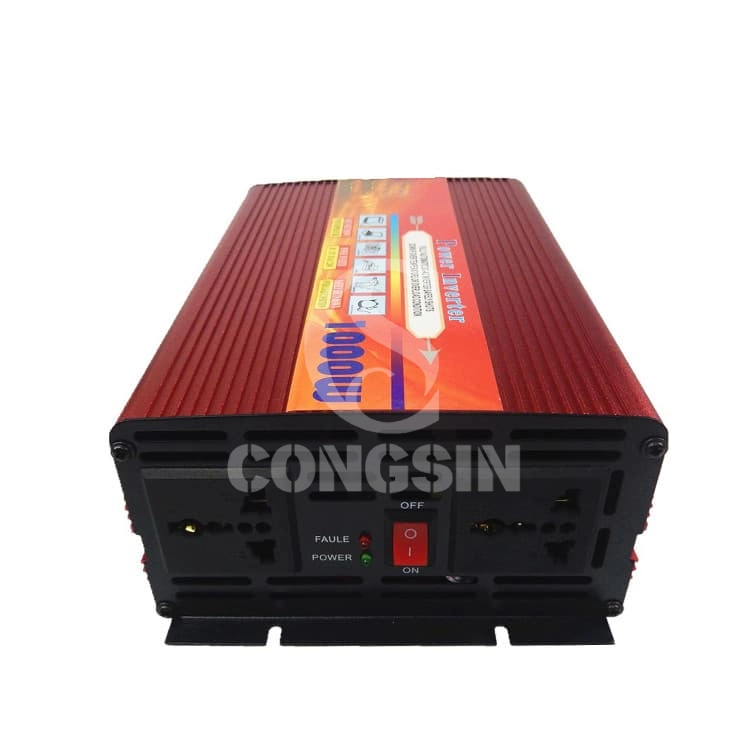
Congsin Manufacturer Wholesales Big Capability Modified Sine Wave Inverter with Red case and Double fan
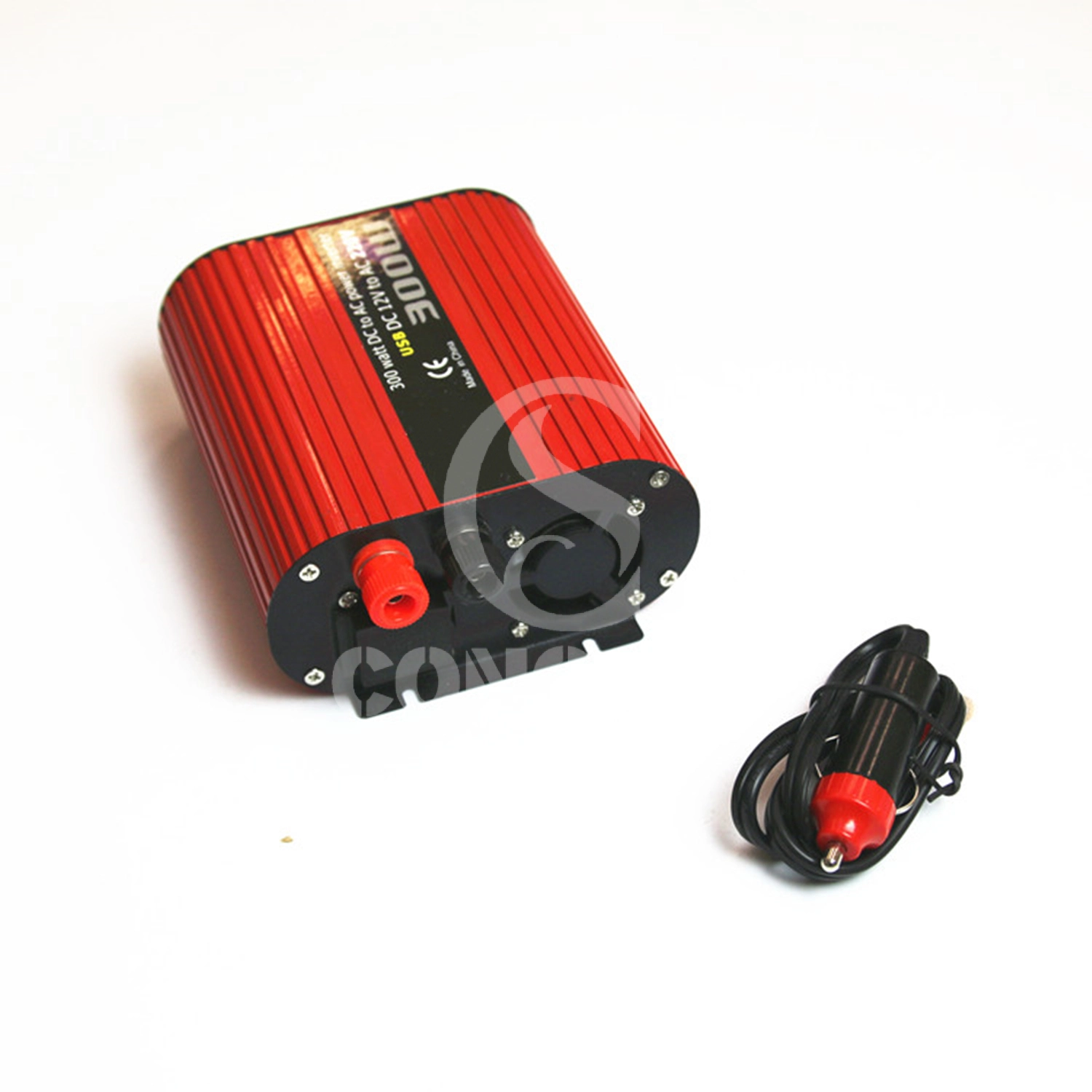
Factory Direct Sales Portable 150W Modified Sine Wave Inverter DC12V to AC220V Off-grid Sine Wave Inverter with Two USB and Universal Socket
Congsin's Portable 150W Modified Sine Wave Inverter powers your journey! This versatile Car Power Inverter with USB acts as a reliable 12V to 220V converter, ensuring an essential off-grid power supply. With dual USB ports and a universal socket, enjoy convenient power on the go.

CONGSIN is a trusted OEM factory for power inverters, solar charge controllers, and DC converters. Reliable solutions for global B2B buyers.
 High Quality
 7/24 Service
 Guaranteed Warranty
© 2025 Congsin. All Rights Reserved.
 WeChat
 Scan QR Code
sin cong
teaimei10
Whatsapp: +8618028086791
Scan QR Code